


How can PVC insulated wire effectively retard flames and prevent short circuits, safeguarding the first line of defense for home electrical safety?
Release Time : 2026-01-08
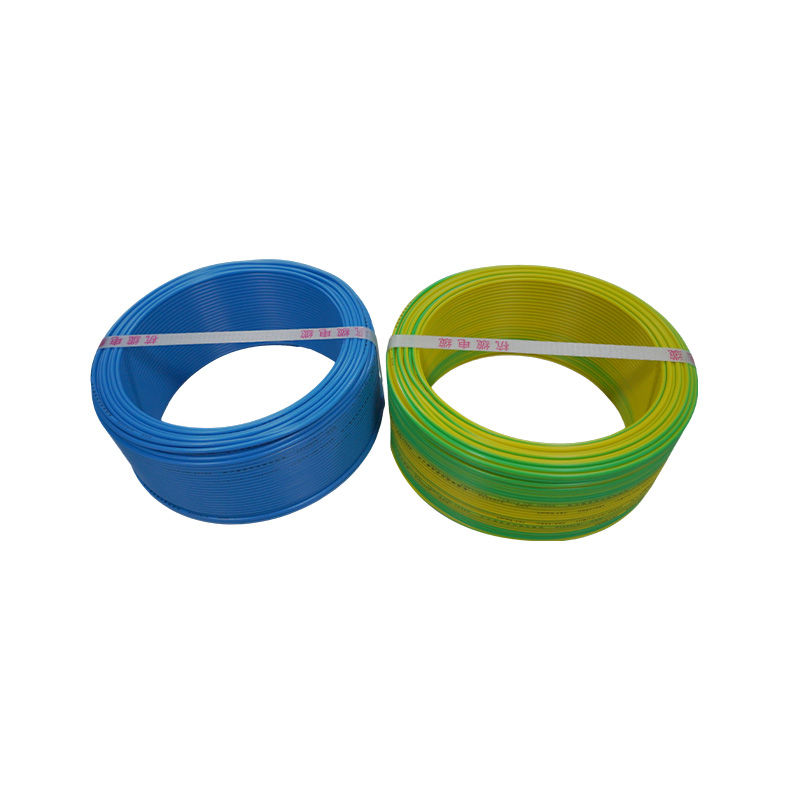
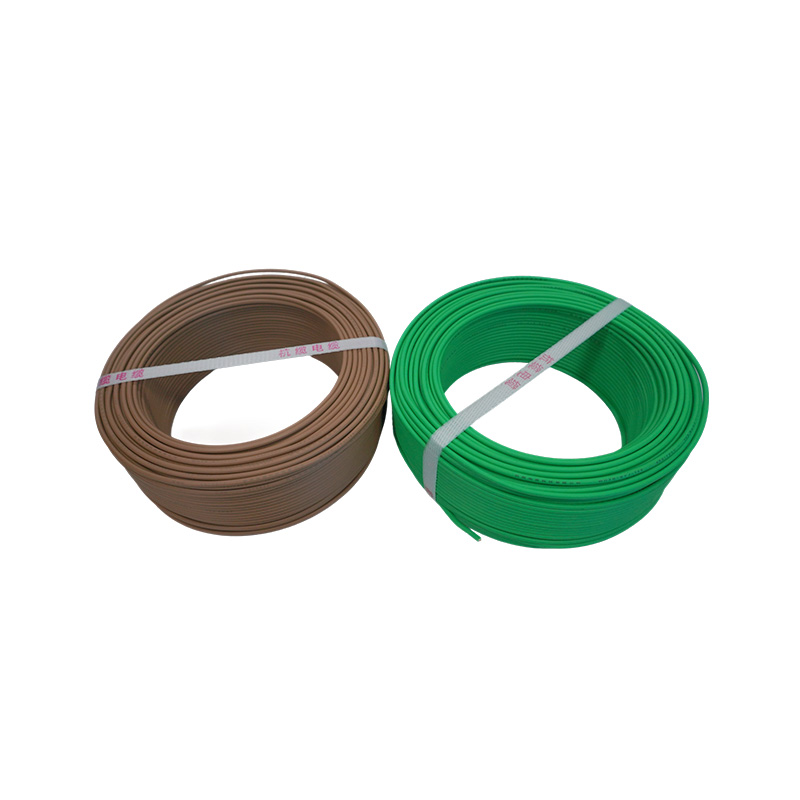
Within the walls and behind appliances in modern homes, countless wires silently transmit electrical energy like blood vessels. They may seem ordinary, but they are the foundation for the normal operation of lighting, cooling, cooking, and even digital life. The polyvinyl chloride (PVC) layer encasing the copper core, though as thin as a cicada's wing, bears a crucial safety mission—it is not only a "barrier" against electric current but also the first line of defense against fires and short circuits. Its protective ability is not accidental but the result of the combined effects of the material's inherent properties, formulation processes, and safety standards.
PVC, as a high-molecular polymer, inherently possesses flame-retardant properties. Its molecular structure contains chlorine, which releases hydrogen chloride gas when heated. This gas dilutes the oxygen concentration in the surrounding air and captures free radicals generated during combustion, thus interrupting the chain reaction of the flame. This means that when electrical wires are overloaded, aged, or ignited by an external fire source, high-quality PVC insulated wire will not easily contribute to combustion; instead, it will quickly self-extinguish, effectively preventing the fire from spreading along the wiring. This characteristic is especially important within enclosed walls or ceilings—in the event of a fire, slowing the spread can buy crucial time for evacuation and firefighting.
Besides flame retardancy, the core function of PVC insulated wire is reliable electrical insulation. In household circuits, if the live wire and neutral wire come into direct contact due to insulation damage, a short circuit will instantly occur, generating a huge current and a high-temperature arc. This can lead to anything from tripping the circuit breaker to melting equipment and igniting nearby flammable materials. Qualified PVC insulated wire possesses excellent dielectric strength and volume resistivity, ensuring a strong electrical barrier between conductors even under prolonged energization, temperature fluctuations, or slight bending. Its dense, pinhole-free surface and uniform thickness ensure that it will not soften, crack, or carbonize under long-term operating temperatures of 70°C, maintaining a complete insulation barrier.
Furthermore, the insulation material used in modern PVC wires for home decoration is not ordinary plastic, but a specially modified flame-retardant and environmentally friendly formula. Stabilizers, plasticizers (or halogen-free plasticizing systems), antioxidants, and highly effective flame-retardant synergists are added to the base PVC resin. These components work synergistically to not only improve the material's thermal stability and flexibility, preventing it from becoming brittle when inserted into conduits or bent, but also maintain mechanical strength at high temperatures, preventing conductor contact due to insulation collapse. At the same time, PVC materials that meet national standards strictly control the content of harmful substances such as lead and cadmium, ensuring lower toxicity of released fumes during normal use and even accidental combustion, balancing personal safety and environmental responsibility.
It is worth noting that the reliability of PVC insulated wire also relies on strict manufacturing standards and certification systems. Wires that comply with national standards such as GB/T 5023.3 and JB/T 8734.2 and have passed CCC mandatory certification mean that their insulation thickness, mechanical properties, flame retardant rating, and temperature resistance have all undergone authoritative testing. This is not merely about meeting technical standards, but also a commitment to safety for every household. Inferior electrical wires often cut corners on insulation – insufficient thickness, recycled materials, and a lack of flame retardants – seemingly saving costs, but actually creating huge hidden dangers.
Furthermore, the flexibility and abrasion resistance of PVC insulated wire indirectly enhance safety. During installation, wires need to pass through narrow conduits and around beams and columns; high-quality PVC sheaths can withstand friction and pressure without damage. In use, it can also withstand daily vibrations, minor rodent bites, or stress from wall settlement, extending its overall lifespan.
In conclusion, PVC insulated wire serves as the "first line of defense" for household electrical safety due to its inherent flame-retardant chemical properties, reliable electrical insulation performance, scientific material formulation, and stringent compliance guarantees. It neither emits light nor sound, yet with silent resilience, it confines dangerous current within a safe path. As night falls and countless lights illuminate homes, behind each and every lamp lies an unseen PVC guardian, fulfilling the most solemn safety commitment in the simplest of ways.
PVC, as a high-molecular polymer, inherently possesses flame-retardant properties. Its molecular structure contains chlorine, which releases hydrogen chloride gas when heated. This gas dilutes the oxygen concentration in the surrounding air and captures free radicals generated during combustion, thus interrupting the chain reaction of the flame. This means that when electrical wires are overloaded, aged, or ignited by an external fire source, high-quality PVC insulated wire will not easily contribute to combustion; instead, it will quickly self-extinguish, effectively preventing the fire from spreading along the wiring. This characteristic is especially important within enclosed walls or ceilings—in the event of a fire, slowing the spread can buy crucial time for evacuation and firefighting.
Besides flame retardancy, the core function of PVC insulated wire is reliable electrical insulation. In household circuits, if the live wire and neutral wire come into direct contact due to insulation damage, a short circuit will instantly occur, generating a huge current and a high-temperature arc. This can lead to anything from tripping the circuit breaker to melting equipment and igniting nearby flammable materials. Qualified PVC insulated wire possesses excellent dielectric strength and volume resistivity, ensuring a strong electrical barrier between conductors even under prolonged energization, temperature fluctuations, or slight bending. Its dense, pinhole-free surface and uniform thickness ensure that it will not soften, crack, or carbonize under long-term operating temperatures of 70°C, maintaining a complete insulation barrier.
Furthermore, the insulation material used in modern PVC wires for home decoration is not ordinary plastic, but a specially modified flame-retardant and environmentally friendly formula. Stabilizers, plasticizers (or halogen-free plasticizing systems), antioxidants, and highly effective flame-retardant synergists are added to the base PVC resin. These components work synergistically to not only improve the material's thermal stability and flexibility, preventing it from becoming brittle when inserted into conduits or bent, but also maintain mechanical strength at high temperatures, preventing conductor contact due to insulation collapse. At the same time, PVC materials that meet national standards strictly control the content of harmful substances such as lead and cadmium, ensuring lower toxicity of released fumes during normal use and even accidental combustion, balancing personal safety and environmental responsibility.
It is worth noting that the reliability of PVC insulated wire also relies on strict manufacturing standards and certification systems. Wires that comply with national standards such as GB/T 5023.3 and JB/T 8734.2 and have passed CCC mandatory certification mean that their insulation thickness, mechanical properties, flame retardant rating, and temperature resistance have all undergone authoritative testing. This is not merely about meeting technical standards, but also a commitment to safety for every household. Inferior electrical wires often cut corners on insulation – insufficient thickness, recycled materials, and a lack of flame retardants – seemingly saving costs, but actually creating huge hidden dangers.
Furthermore, the flexibility and abrasion resistance of PVC insulated wire indirectly enhance safety. During installation, wires need to pass through narrow conduits and around beams and columns; high-quality PVC sheaths can withstand friction and pressure without damage. In use, it can also withstand daily vibrations, minor rodent bites, or stress from wall settlement, extending its overall lifespan.
In conclusion, PVC insulated wire serves as the "first line of defense" for household electrical safety due to its inherent flame-retardant chemical properties, reliable electrical insulation performance, scientific material formulation, and stringent compliance guarantees. It neither emits light nor sound, yet with silent resilience, it confines dangerous current within a safe path. As night falls and countless lights illuminate homes, behind each and every lamp lies an unseen PVC guardian, fulfilling the most solemn safety commitment in the simplest of ways.