


How do PVC insulated wires build a strong protective barrier for safe electricity use in home appliances and lighting equipment?
Release Time : 2026-04-02
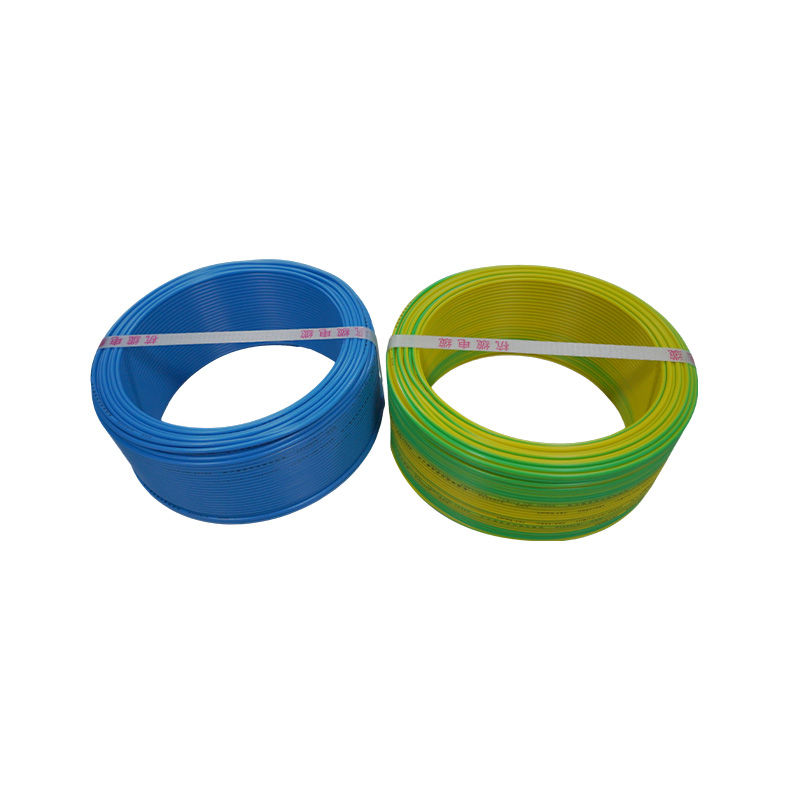
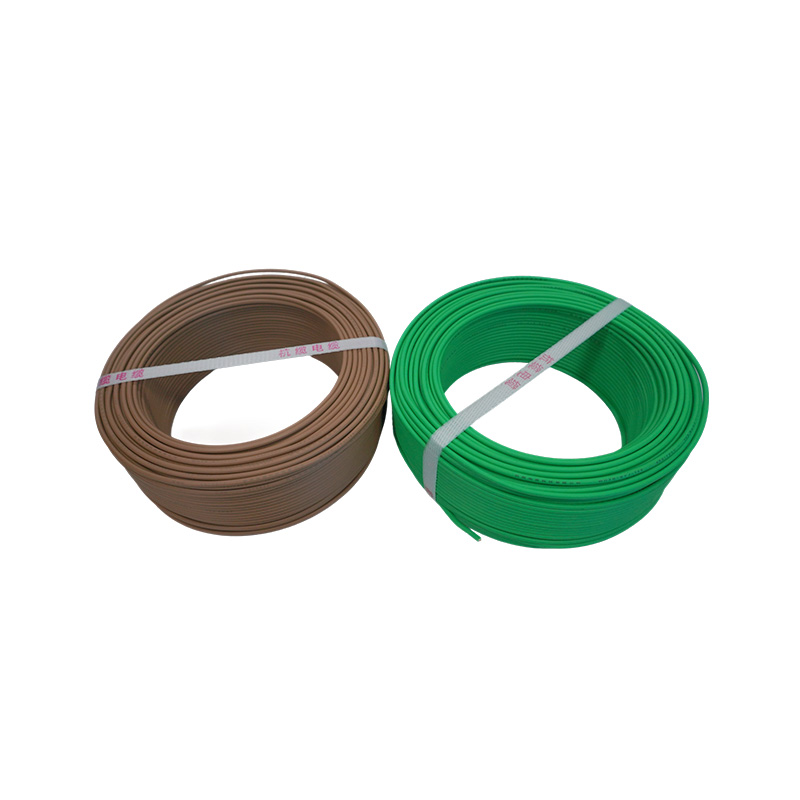
In the fabric of modern family life, electricity, like invisible blood, flows deep within walls and beneath floors, nourishing the operation of every electrical appliance. And carrying this energy are the seemingly ordinary yet crucial PVC insulated wires. Armed with polyvinyl chloride (PVC), they silently protect the electrical safety of countless households, firmly confining dangerous currents within the conductor, building an unbreakable protective barrier for the stable operation of home appliances and lighting equipment.
The essence of PVC insulation lies in its excellent electrical insulation properties. This high-molecular polymer has extremely high resistivity, effectively blocking current leakage to the outside world. When current flows through the copper core conductor, the PVC insulation layer acts like an invisible wall, strictly confining charged particles within a predetermined trajectory, preventing them from contacting external metal objects, damp walls, or the human body. This insulation capability is not static, but rather a stable property regulated by a precise formula. Even under prolonged energization, it maintains constant insulation strength and does not gradually weaken due to the electric field. This reliable insulation ensures that high-powered appliances such as refrigerators, washing machines, and air conditioners can be safely connected to the circuit, and that lighting fixtures like ceiling lights and table lamps can operate for extended periods without the safety hazards of leakage.
Beyond its basic insulation function, PVC material also possesses excellent mechanical protection. During home wiring, electrical wires often undergo complex operations such as being run through conduits, bent, and pulled. After installation, they must withstand potential external forces such as wall compression and furniture collisions. The PVC insulation layer has good toughness and tensile strength, remaining unbroken when bent and undeformed when compressed, providing comprehensive physical protection for the internal copper conductor. This mechanical strength allows the wire to withstand various accidental damages during daily use over a long service life, preventing short circuits caused by exposed conductors. Even in humid environments like kitchens and bathrooms, PVC insulation effectively prevents moisture intrusion, protecting conductors from oxidation and reduced conductivity, ensuring long-term stability of the electrical system.
Flame-retardant properties are another crucial line of defense for home safety with PVC insulated wire. Overloads and short circuits are difficult to completely avoid in household electrical environments, and the consequences of a fire in the wiring can be disastrous. High-quality PVC insulation materials contain highly effective flame retardants that quickly form a dense carbonized layer when exposed to open flames or high temperatures, isolating oxygen and heat transfer and preventing the spread of flames along the wire. This self-extinguishing property allows the wire to quickly stop burning after being removed from the fire source, preventing it from becoming a flammable agent and buying valuable time for family escape and fire rescue. Simultaneously, PVC has a high oxygen index, making it difficult to sustain combustion in air, further reducing the probability of electrical fires and providing added peace of mind for the home's electrical environment.
The aging resistance and chemical corrosion resistance of PVC insulated wire allow it to withstand the long-term challenges of the home environment. Household electrical wiring often needs to serve for decades, during which time it is exposed to oxygen, ultraviolet light, and chemicals such as kitchen fumes and cleaning agents. Polyvinyl chloride (PVC) has a stable chemical structure that resists oxidative aging and chemical corrosion. Even after long-term use, it maintains the integrity and flexibility of its insulation layer, without exhibiting embrittlement, cracking, or powdering. This durability reduces the need for frequent replacements, lowering household electrical maintenance costs and preventing safety hazards caused by aging wiring, making it a reliable long-term protector of home circuits.
PVC insulated wire also boasts excellent processing performance and cost advantages, making safe electricity use accessible to every household. PVC is easy to extrude, uniformly coating the conductor surface to form a consistent, smooth insulation layer, ensuring stable insulation performance. Furthermore, its widely available raw materials and mature production processes make PVC insulated wire relatively affordable, allowing ordinary families to afford high-quality, safe wiring. This cost-effectiveness advantage makes PVC insulated wire the mainstream choice for home wiring, widely used in lighting circuits, socket circuits, appliance connections, and other scenarios, laying a solid foundation for the electrical safety of countless households.
From insulation protection to mechanical support, from flame retardancy to corrosion resistance and aging resistance, PVC insulated wire, with polyvinyl chloride as its core material, constructs a multi-dimensional safety protection system. Like an invisible safety guardian, it traverses every corner of the home, silently bearing the weight of electric current, protecting the operation of electrical appliances, and safeguarding the peace and happiness of every family. In the close intertwining of electricity and life, PVC insulated wire, with its reliable performance and practical value, has become an indispensable safety cornerstone for modern household electricity use.
The essence of PVC insulation lies in its excellent electrical insulation properties. This high-molecular polymer has extremely high resistivity, effectively blocking current leakage to the outside world. When current flows through the copper core conductor, the PVC insulation layer acts like an invisible wall, strictly confining charged particles within a predetermined trajectory, preventing them from contacting external metal objects, damp walls, or the human body. This insulation capability is not static, but rather a stable property regulated by a precise formula. Even under prolonged energization, it maintains constant insulation strength and does not gradually weaken due to the electric field. This reliable insulation ensures that high-powered appliances such as refrigerators, washing machines, and air conditioners can be safely connected to the circuit, and that lighting fixtures like ceiling lights and table lamps can operate for extended periods without the safety hazards of leakage.
Beyond its basic insulation function, PVC material also possesses excellent mechanical protection. During home wiring, electrical wires often undergo complex operations such as being run through conduits, bent, and pulled. After installation, they must withstand potential external forces such as wall compression and furniture collisions. The PVC insulation layer has good toughness and tensile strength, remaining unbroken when bent and undeformed when compressed, providing comprehensive physical protection for the internal copper conductor. This mechanical strength allows the wire to withstand various accidental damages during daily use over a long service life, preventing short circuits caused by exposed conductors. Even in humid environments like kitchens and bathrooms, PVC insulation effectively prevents moisture intrusion, protecting conductors from oxidation and reduced conductivity, ensuring long-term stability of the electrical system.
Flame-retardant properties are another crucial line of defense for home safety with PVC insulated wire. Overloads and short circuits are difficult to completely avoid in household electrical environments, and the consequences of a fire in the wiring can be disastrous. High-quality PVC insulation materials contain highly effective flame retardants that quickly form a dense carbonized layer when exposed to open flames or high temperatures, isolating oxygen and heat transfer and preventing the spread of flames along the wire. This self-extinguishing property allows the wire to quickly stop burning after being removed from the fire source, preventing it from becoming a flammable agent and buying valuable time for family escape and fire rescue. Simultaneously, PVC has a high oxygen index, making it difficult to sustain combustion in air, further reducing the probability of electrical fires and providing added peace of mind for the home's electrical environment.
The aging resistance and chemical corrosion resistance of PVC insulated wire allow it to withstand the long-term challenges of the home environment. Household electrical wiring often needs to serve for decades, during which time it is exposed to oxygen, ultraviolet light, and chemicals such as kitchen fumes and cleaning agents. Polyvinyl chloride (PVC) has a stable chemical structure that resists oxidative aging and chemical corrosion. Even after long-term use, it maintains the integrity and flexibility of its insulation layer, without exhibiting embrittlement, cracking, or powdering. This durability reduces the need for frequent replacements, lowering household electrical maintenance costs and preventing safety hazards caused by aging wiring, making it a reliable long-term protector of home circuits.
PVC insulated wire also boasts excellent processing performance and cost advantages, making safe electricity use accessible to every household. PVC is easy to extrude, uniformly coating the conductor surface to form a consistent, smooth insulation layer, ensuring stable insulation performance. Furthermore, its widely available raw materials and mature production processes make PVC insulated wire relatively affordable, allowing ordinary families to afford high-quality, safe wiring. This cost-effectiveness advantage makes PVC insulated wire the mainstream choice for home wiring, widely used in lighting circuits, socket circuits, appliance connections, and other scenarios, laying a solid foundation for the electrical safety of countless households.
From insulation protection to mechanical support, from flame retardancy to corrosion resistance and aging resistance, PVC insulated wire, with polyvinyl chloride as its core material, constructs a multi-dimensional safety protection system. Like an invisible safety guardian, it traverses every corner of the home, silently bearing the weight of electric current, protecting the operation of electrical appliances, and safeguarding the peace and happiness of every family. In the close intertwining of electricity and life, PVC insulated wire, with its reliable performance and practical value, has become an indispensable safety cornerstone for modern household electricity use.